

Functional capacity evaluation is now an essential step in objectively measuring a person’s physical abilities in daily life. It makes it possible to establish a clear picture of limitations, strengths, and real needs in order to guide clinical, professional, or administrative decisions in a rigorous and human-centred manner.
In a context where returning to activities and work must be safe and sustainable, functional capacity evaluation stands out as a structured process based on observable and reproducible criteria.
Understanding the role of functional evaluation
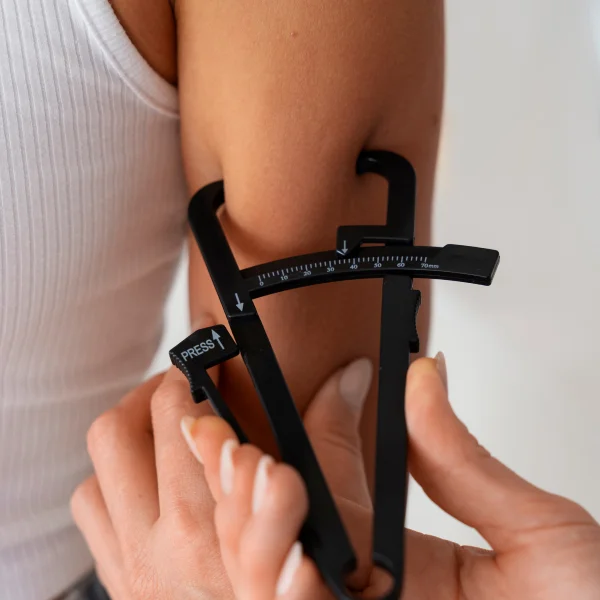
Functional capacity evaluation aims to analyze a person’s ability to perform concrete physical tasks. Unlike a traditional medical examination, it focuses on functional actions such as lifting, walking, carrying, pushing, maintaining a posture, or repeating a movement.
This approach makes it possible to:
- objectively assess actual abilities
- reduce subjectivity in decision-making
- establish appropriate recommendations
- support rehabilitation planning
It is particularly relevant when the issues go beyond a simple diagnosis.
Why this evaluation is essential
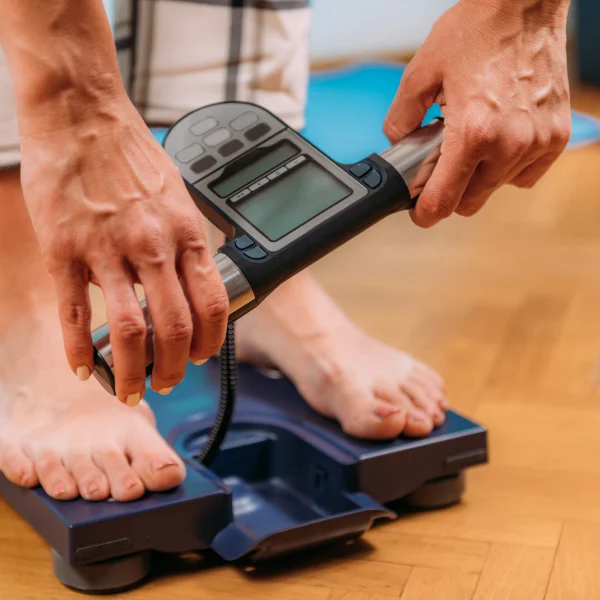
Functional capacity evaluation plays a central role in many situations where physical abilities must be clearly defined. It is frequently used to support a return to work, adjust job tasks, or document a complex functional situation.
It helps answer concrete questions such as:
- which tasks can be performed safely?
- which limitations must be respected?
- which adaptations are necessary?
This approach promotes fair, consistent, and safe decision-making.
A direct link with work
Functional capacity evaluation is closely linked to the workplace, particularly following a prolonged absence or an injury. It helps build a bridge between current physical condition and the real demands of a job.
In this context, it helps to:
- validate the ability to resume certain tasks
- recommend a gradual return to work
- reduce the risk of re-injury
- support communication between all parties
It becomes a strategic tool for a successful return to work.
The role of the physiotherapist
The physiotherapist plays a central role in functional capacity evaluation, thanks to expertise in biomechanics, movement, and rehabilitation. Their role is to analyze abilities objectively, safely, and based on evidence.
Physiotherapy intervention allows for:
- precise observation of movement
- analysis of compensatory patterns
- rigorous clinical interpretation
- realistic and actionable recommendations
This expertise ensures the credibility of the evaluation.
How the process works
Functional capacity evaluation follows a structured methodology tailored to the individual’s condition and context. It always begins with the collection of clinical and functional information.
The process may include:
- mobility and endurance testing
- simulated functional tasks
- analysis of posture and motor control
- observation of effort tolerance
Each element is measured, documented, and interpreted with precision.
A lever for rehabilitation
Functional capacity evaluation provides a solid foundation for guiding an effective rehabilitation plan. By accurately identifying limitations and remaining capacities, it helps target therapeutic priorities.
In rehabilitation, this approach helps to:
- set realistic goals
- monitor functional progress
- adjust interventions
- measure improvements in a concrete way
It transforms evaluation into a true tool for action.
When to request a functional evaluation
Functional capacity evaluation is relevant whenever there is uncertainty between what a person believes they can do and what they can actually perform safely.
It is particularly recommended:
- after an injury or surgery
- during a complex return-to-work process
- in cases of persistent pain
- when functional demands are high
Acting at the right time helps prevent unnecessary complications.
The professional approach at Physio Balance
At Physio Balance, functional capacity evaluation is based on a personalized, objective approach focused on each person’s real functional reality. The goal is never to limit, but to clarify and optimize abilities.
This approach is distinguished by:
- thorough and human-centred analysis
- clear and actionable recommendations
- professional and structured communication
- a constant focus on safety and effectiveness
Each evaluation becomes a reliable decision-making tool.
An approach that supports informed decisions
Functional capacity evaluation makes it possible to make decisions based on measurable facts rather than perceptions. It secures care pathways, supports work participation, and optimizes long-term rehabilitation outcomes.
Need a professional evaluation?
Are you looking for a rigorous, clear functional capacity evaluation tailored to your reality? Contact Physio Balance today to benefit from the expertise of a physiotherapist and high-level professional support.


