

An aging population is profoundly transforming healthcare needs in Montréal. Today, geriatrics plays a central role in supporting older adults by focusing on autonomy, prevention of functional decline, and quality of life. At Physio Balance, this approach is grounded in current scientific evidence and tailored to each individual’s functional reality.
Understanding geriatrics through a comprehensive approach
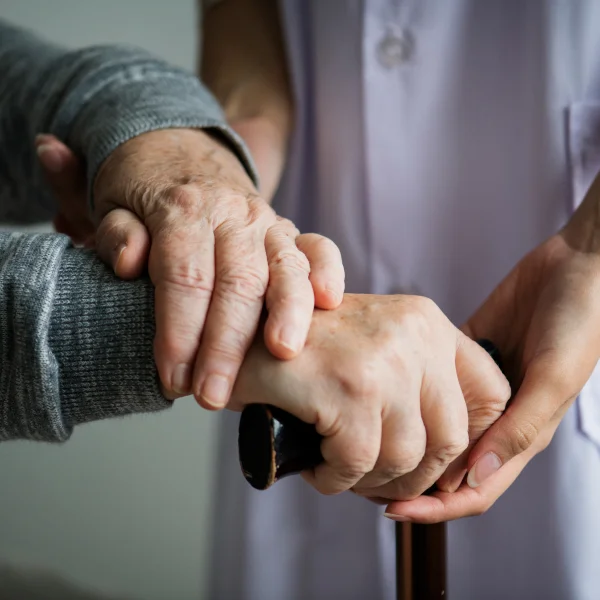
Geriatrics is a specialized discipline that addresses the physical, cognitive, and functional challenges associated with aging. Rather than a strictly medical perspective, it adopts a holistic approach that considers the person’s environment, lifestyle, and personal goals.
This specialty aims to:
- maintain functional independence for as long as possible
- reduce the risk of falls and injuries
- improve mobility and balance
- support social participation and daily activities
Modern geriatrics therefore goes beyond treatment, embracing a proactive and preventive mindset.
The specific needs of older adults today
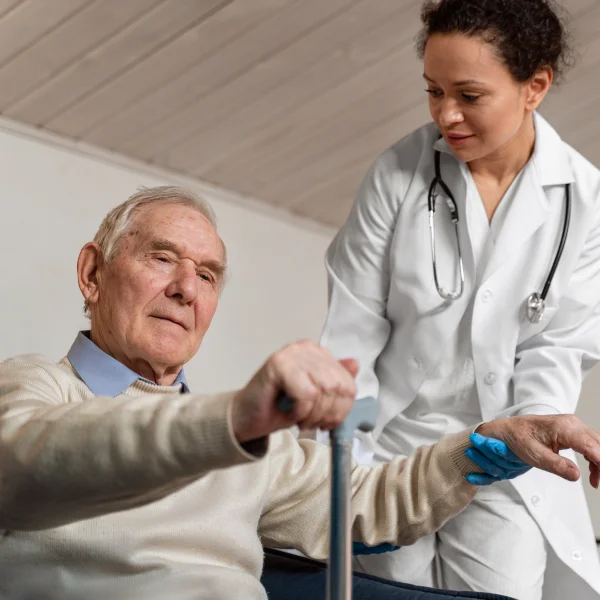
With age, the body undergoes natural changes such as decreased muscle mass, reduced bone density, and slower reflexes. Geriatrics makes it possible to intervene effectively on these factors to limit their impact on daily life.
Common challenges among older adults include:
- chronic joint pain
- balance disorders
- loss of strength and endurance
- reduced confidence during movement
Specialized care helps turn these challenges into opportunities for functional improvement.
The key role of physiotherapy in geriatrics
Physiotherapy plays a fundamental role by directly addressing mobility, posture, and the prevention of functional limitations. Interventions are personalized, progressive, and safe, always based on a thorough functional assessment.
Programs may include:
- targeted exercises to strengthen stabilizing muscles
- strategies to improve dynamic balance
- techniques to reduce pain and stiffness
- support for returning to daily activities
In geriatrics, each intervention plan is adjusted to the person’s pace and actual capacities.
Occupational therapy and functional autonomy
Occupational therapy complements care by focusing on adapting the environment and daily activities. The goal is clear: to help older adults remain active and independent in their living environment.
An occupational therapist may intervene to:
- improve home safety
- adapt everyday movements
- recommend appropriate assistive devices
- reduce fatigue during functional activities
In geriatrics, this approach builds confidence and reduces risks related to loss of autonomy.
Adapted exercises: a cornerstone of active aging
Exercise is a central component of any care plan. Contrary to common belief, physical activity is not only possible but essential at any age.
Benefits of adapted exercises include:
- improved muscle strength
- better coordination
- increased endurance
- reduced risk of falls
Exercises are designed to be safe, motivating, and directly applicable to daily tasks.
A human and individualized approach
What defines high-quality care is the ability to listen, understand, and respect each person’s life journey. Goals are never standardized; they are defined collaboratively with the older adult and, when appropriate, with their loved ones.
At Physio Balance, geriatrics is built on:
- a trusting therapeutic relationship
- progressive and measurable follow-ups
- clear and compassionate communication
This approach supports lasting and meaningful outcomes.
Why consult in geriatrics at the first signs
Waiting for a significant loss of autonomy is not inevitable. Early consultation allows for proactive action and helps preserve functional abilities longer.
Timely intervention can:
- slow functional decline
- prevent hospitalizations
- maintain social participation
- improve overall quality of life
Geriatrics then becomes a powerful tool for active prevention.
You or a loved one would like professional geriatric care focused on autonomy, safety, and well-being? Contact Physio Balance today for a personalized assessment and support tailored to the needs of older adults.


